Sustainable Practices
Producing responsibly, in the field and with the people.
Agricultural sustainability is not limited to a single isolated practice. It depends on how the soil is prepared, water is managed, crops are monitored, production is organized, and those who work directly on the land are involved.
Therefore, Jardins da Yoba works with sustainable practices from two complementary dimensions: environmental responsibility, linked to natural resources and productive efficiency; and social responsibility, linked to training, inclusion, and proximity to producers and communities.
An integrated vision
Soil, water, seeds, technology, training, and community are all part of the same chain. A stronger agriculture needs good practices in the field and skilled people to implement them.
Environmental Responsibility
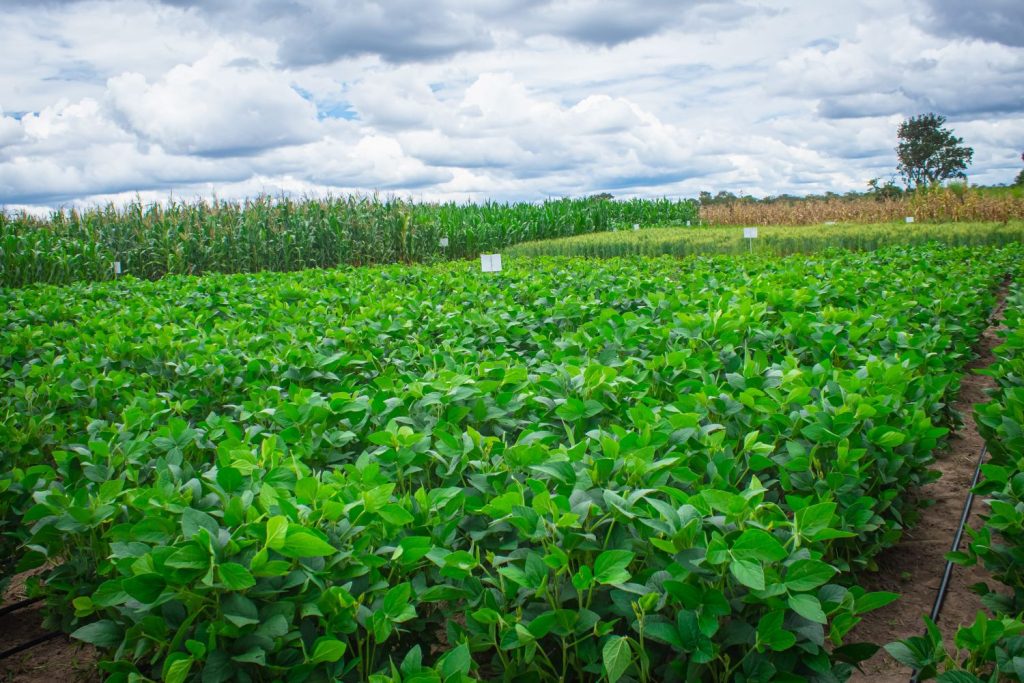
Environmental responsibility guides how Jardins da Yoba works the soil, uses water, monitors crops, and organizes production. Proper land preparation, the application of soil amendments, irrigation management, and monitoring of productive areas help protect natural resources and improve agricultural efficiency.
Soil conservation and correction
Conservation and correction: Efficient use of water and irrigation systems for the soil.
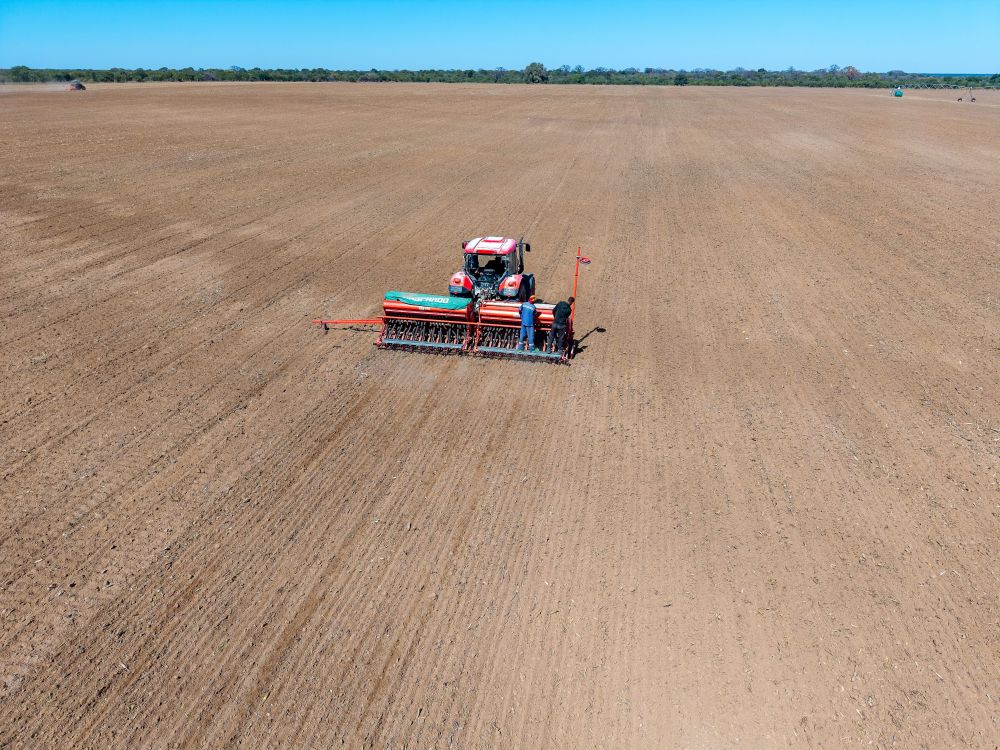
Proper soil preparation before sowing.
Crop monitoring and technical support
Reducing losses and improving production efficiency.
Social Responsibility
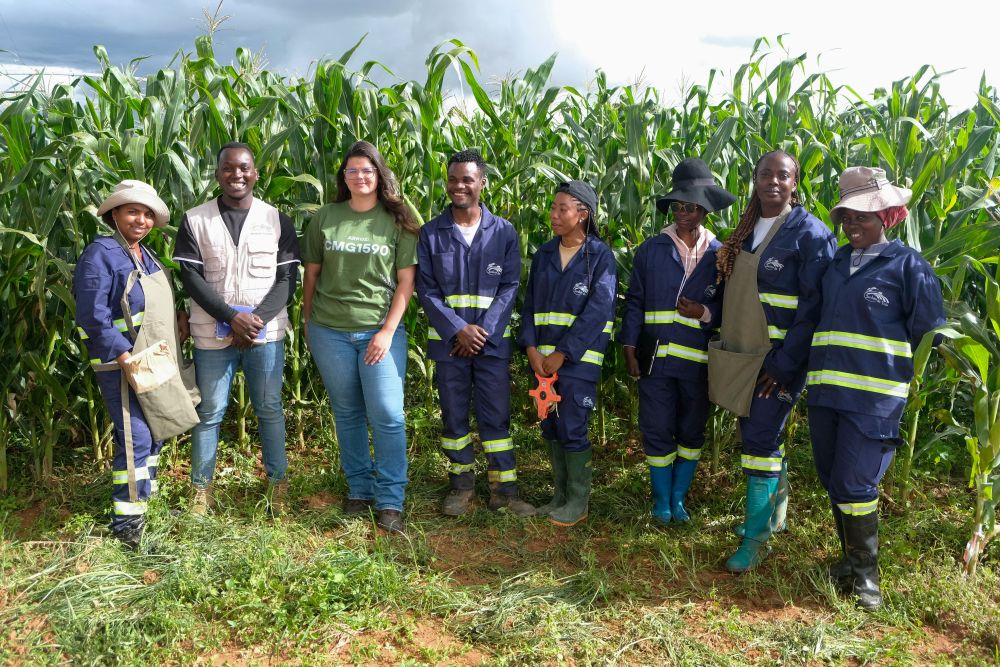
Social responsibility demonstrates how agricultural practices also translate to society: greater technical knowledge in the territory, closer relationships with producers, local participation in the production chain, and rural communities better prepared to implement solutions continuously.
Technical training and skills development
Support and close relationship with small producers.
Projects such as Oku Kolisa and Ovilinga
Inclusion of rural communities, women and young people
Knowledge sharing through visits and field days.
FIELD MANAGEMENT
Monitor, measure, and improve.
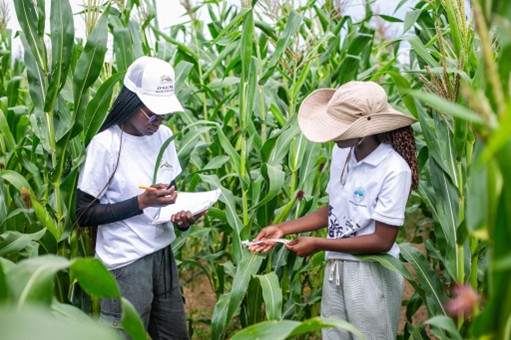
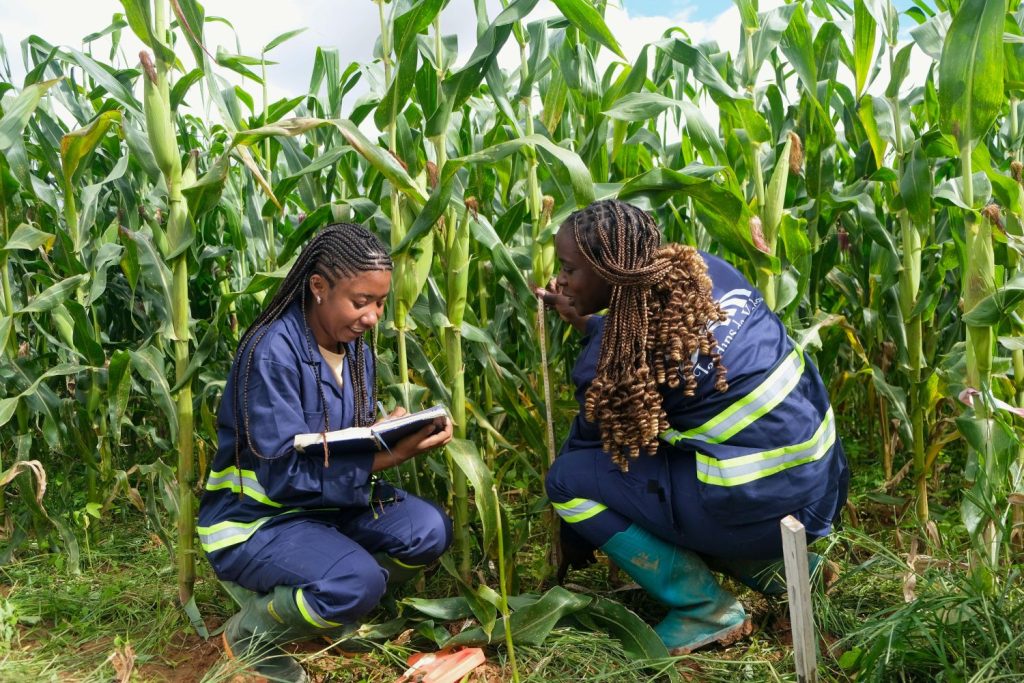
Good sustainable practices require continuous monitoring. In the field, teams observe crop development, record information, monitor operations, assess soil and water conditions, and adjust decisions according to the production reality.
This approach allows linking daily practice to improved productivity, reduced waste, and more efficient use of available resources.
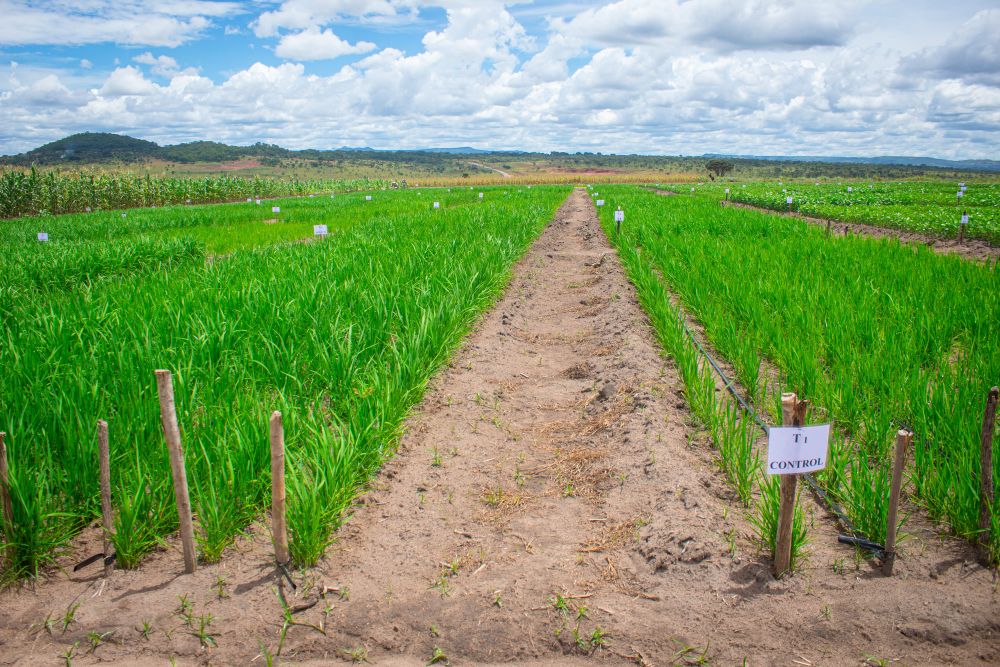
Culture observation
Monitoring by the technical team
Field records
Decision based on information
Technology monitoring
Continuous improvement of operations
How do these practices translate into the field?
Before sowing
Soil preparation, application of amendments, leveling, and organization of conditions for a more uniform crop establishment.
During the crop cycle
Technical support, water management, monitoring plant development, and addressing real production challenges.
After harvest
Processing, storage, loss reduction, quality control and value addition of production within the agricultural chain.
How do these practices translate to society?
When sustainable practices move beyond agricultural operations and reach the people, they build local capacity, strengthen producer participation, and bring rural communities closer to technical solutions that improve production.
Local training
Training, technical support, and knowledge sharing help producers, young people, and local teams apply best practices in the field.
Productive participation
Projects like Oku Kolisa and Ovilinga bring producers and communities closer to the agricultural supply chain, providing support, tools, and technical expertise.
Community impact
More organized production can contribute to higher yields, food security, continued production, and greater appreciation for rural work.
Discover More
Research, Development & Innovation
Essays, observation and appreciation of crops adapted to local conditions.
Read More
Reports and numbers
This section brings together the institutional indicators and reports of Jardins da Yoba, organized by agricultural season.
Read More
Strategy
Agricultural development requires infrastructure, technology, productive capacity, and a long-term vision.
Read More