Skip to content

Research, Development & Innovation

INNOVATION

Transforming knowledge into concrete solutions.

Research, Development, and Innovation occupies a central place in the Yoba Gardens model. It is in this area that trials, technical observation, material evaluation, validation of agronomic practices, and scientific cooperation are structured, supporting more rigorous decisions throughout the production chain.

In a context like Angola’s, where increased agricultural productivity, adaptation to climatic conditions, and food security remain strategic priorities, applied research plays a crucial role. This area exists precisely to meet this challenge: testing products and varieties, observing their behavior under different conditions, and generating technical learning with direct application in production.

3+

REGIONS WITH ACTIVE TESTS

3

DEVELOPING CROPS

1

INTERNATIONAL COOPERATION AGREEMENT

2022

START OF THE FIRST TEST PLANTINGS
AREAS OF APPLICATION

Innovation with direct application

Technological innovation at Yoba Gardens is not abstract—it is linked to concrete decisions on the ground. Each area represents a domain where tools, methods, and approaches contribute to more organized, precise, and resilient production.

01 / Field

Field and production

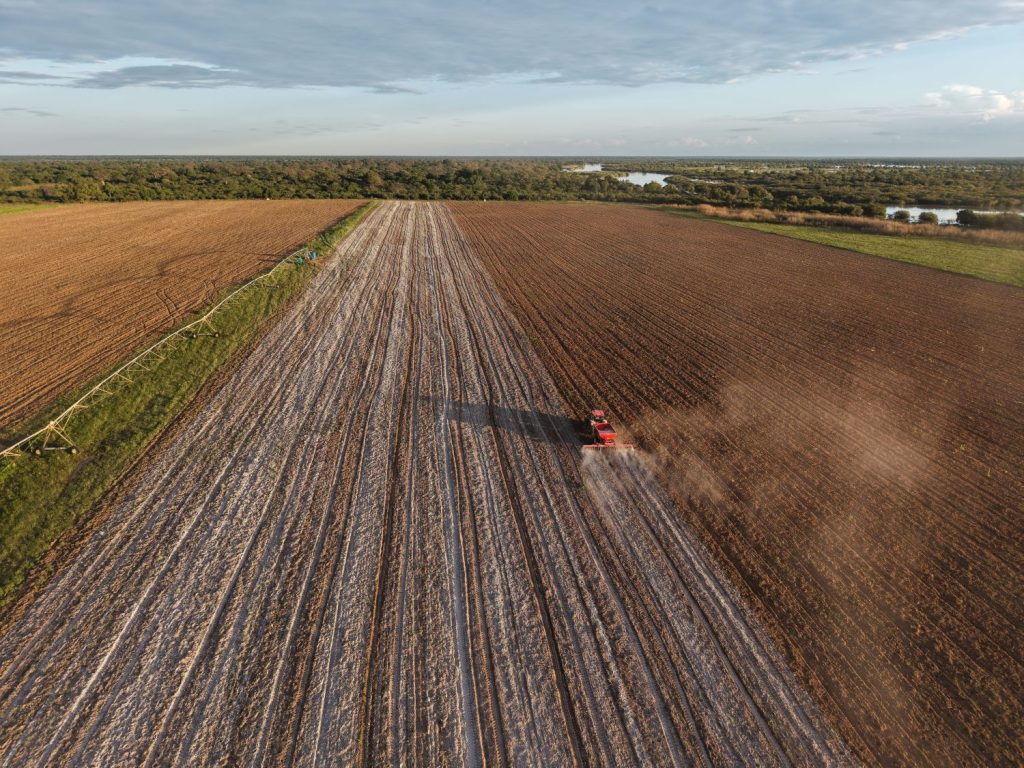
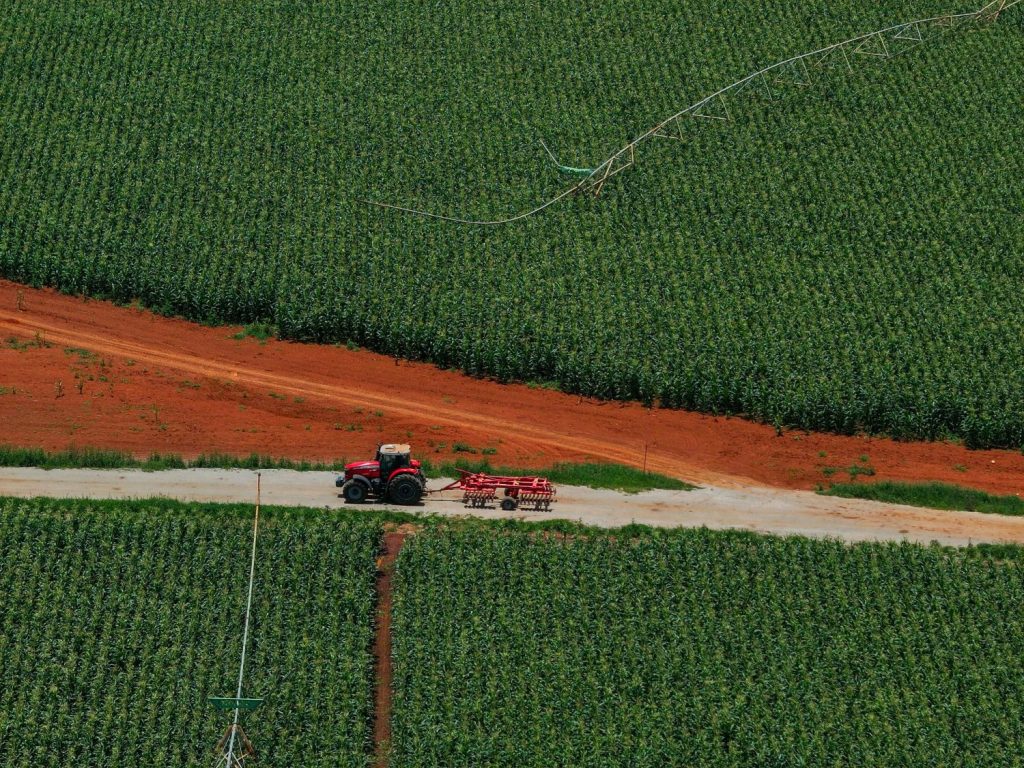
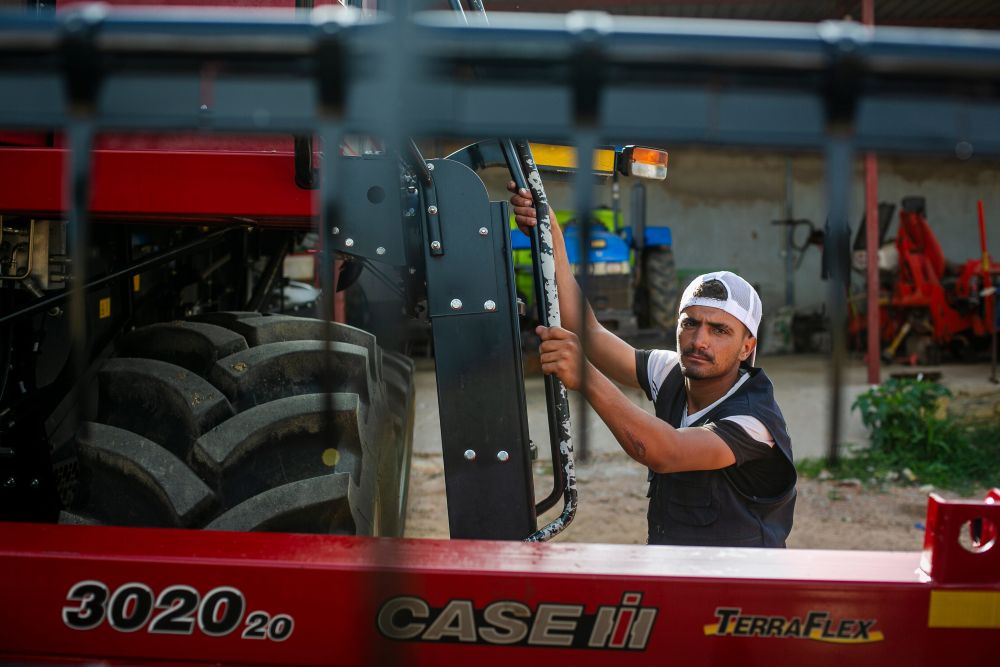
Mechanization, technical support, and the organization of agricultural operations improve soil preparation, sowing, crop management, and harvesting, contributing to greater efficiency and consistency in production processes.

02 / Monitoring

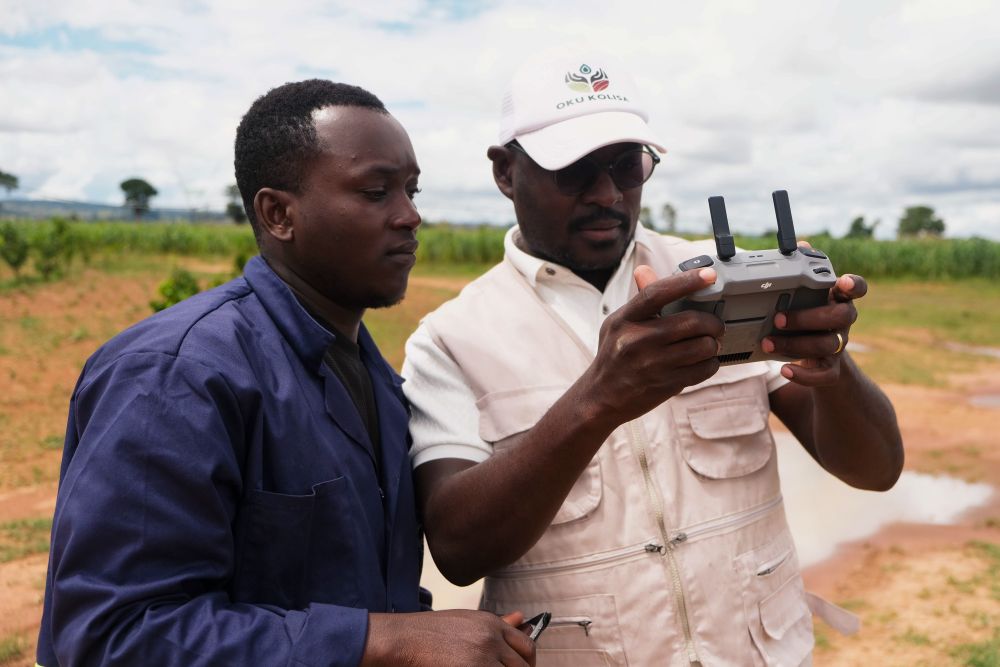
The use of drones and technical observation allows for monitoring crop development, identifying variations in the field, and supporting decisions related to irrigation, fertilization, management, and phytosanitary control.

03 / Water

Irrigation and water management

Pivot irrigation systems allow for more regular and controlled water application, supporting crop development, reducing dependence on weather conditions, and contributing to greater predictability in production.

04 / Processing

Seed processing

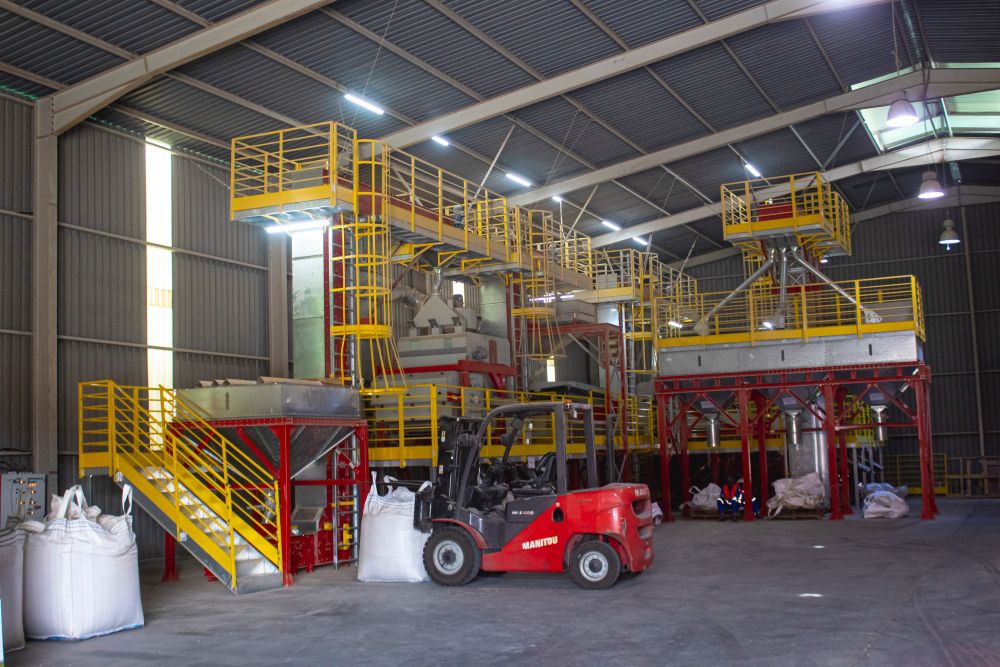
The new processing unit installed by Silomax represents a significant technological advancement, allowing for greater control over the cleaning, calibration, treatment, packaging, and preservation stages of certified seed.

05 / Digital

Digitization and connectivity

Many of the farms where we operate are located in areas without network coverage. The connectivity and remote access solutions we have adopted allow us to keep operations running, record data, and monitor processes even in isolated areas.

06 / People

Team formation

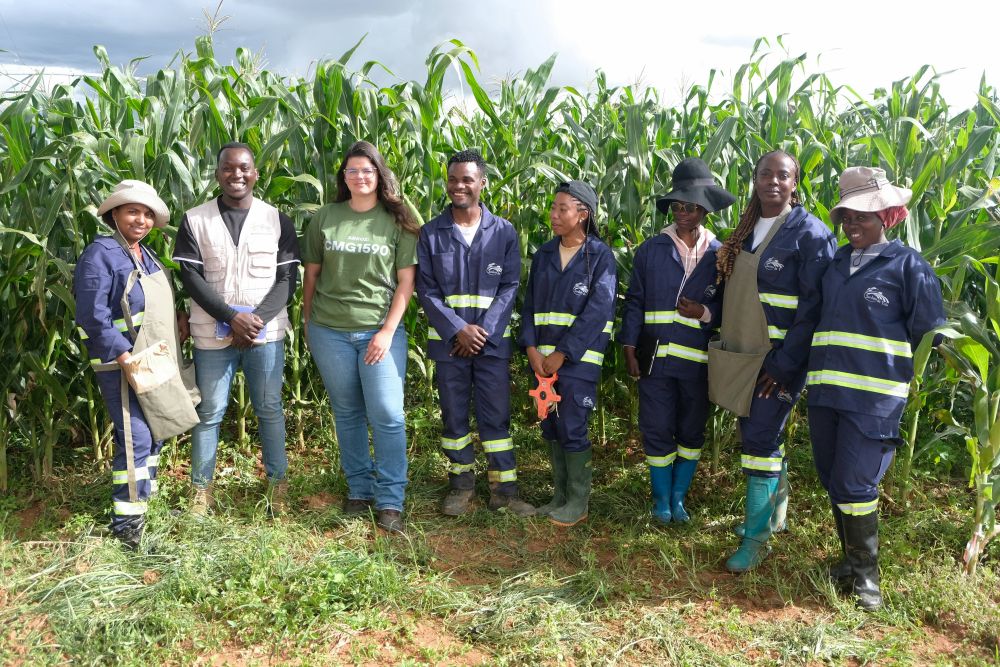
Technology only makes an impact when it is used effectively. The technical training of teams is an essential part of agricultural modernization at Yoba Gardens, ensuring that equipment, systems, and management tools are applied consistently.

TECHNOLOGIES IN PRACTICE

How technology materializes in the field.

Areas where technological innovation is applied in the daily life of the Yoba Gardens — from field observation to information processing and management.

Monitoring and irrigation

Drones for observing productive areas and pivot irrigation systems for controlled water management, especially in large-scale production areas. They support decisions related to irrigation, fertilization, and crop management.

Seed processing

New unit installed by Silomax — modernization of the cleaning, calibration, treatment, packaging, and preservation stages. Greater automation and improved final quality of certified seeds.

Digitization and connectivity

Many of the farms where we operate lack network coverage. The connectivity and remote access solutions we have adopted allow us to continue operating, recording data, and monitoring processes even in isolated areas.

Growing with the producer means creating value in the territory.

STRATEGIC DIRECTION

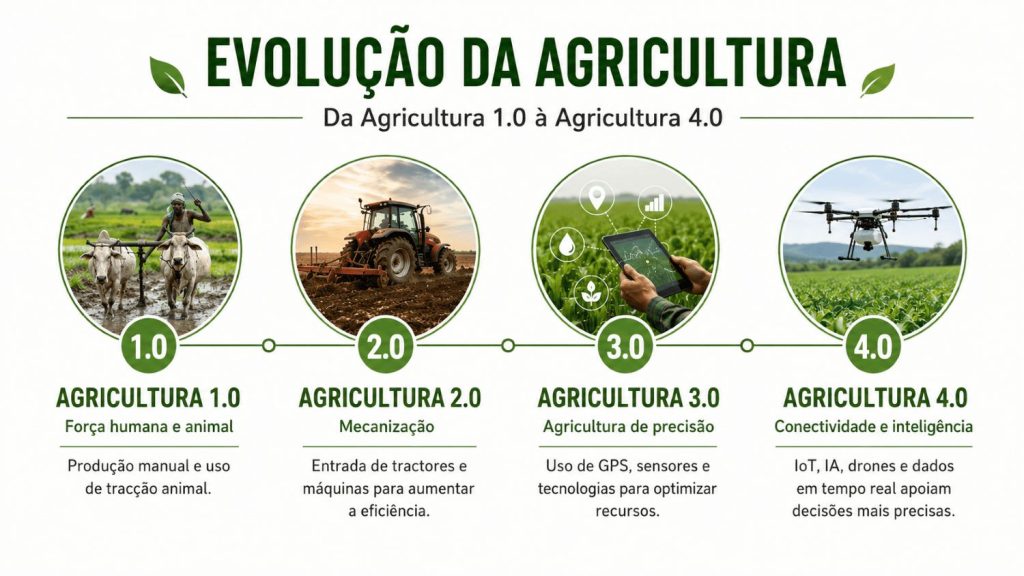
From Agriculture 1.0 to Agriculture 4.0.

The evolution that transforms the field and generates value.

Agriculture has evolved from manual systems, based on human and animal power, to mechanized, technologically advanced, and data-driven models. This transformation shows how agricultural production has incorporated machinery, technical control, precision agriculture, sensors, automation, and innovation to improve efficiency in the field.

At Jardins da Yoba, this path represents a strategic direction. The company has been integrating scientific knowledge, technology, modern processing, applied research, and technical production management, increasingly aligning itself with the principles of Agriculture 4.0. This model allows for more informed decision-making, resource optimization, increased productivity, and contributes to a more modern, sustainable, and competitive agriculture in Angola.

METHODOLOGY

How we work: The testing method.

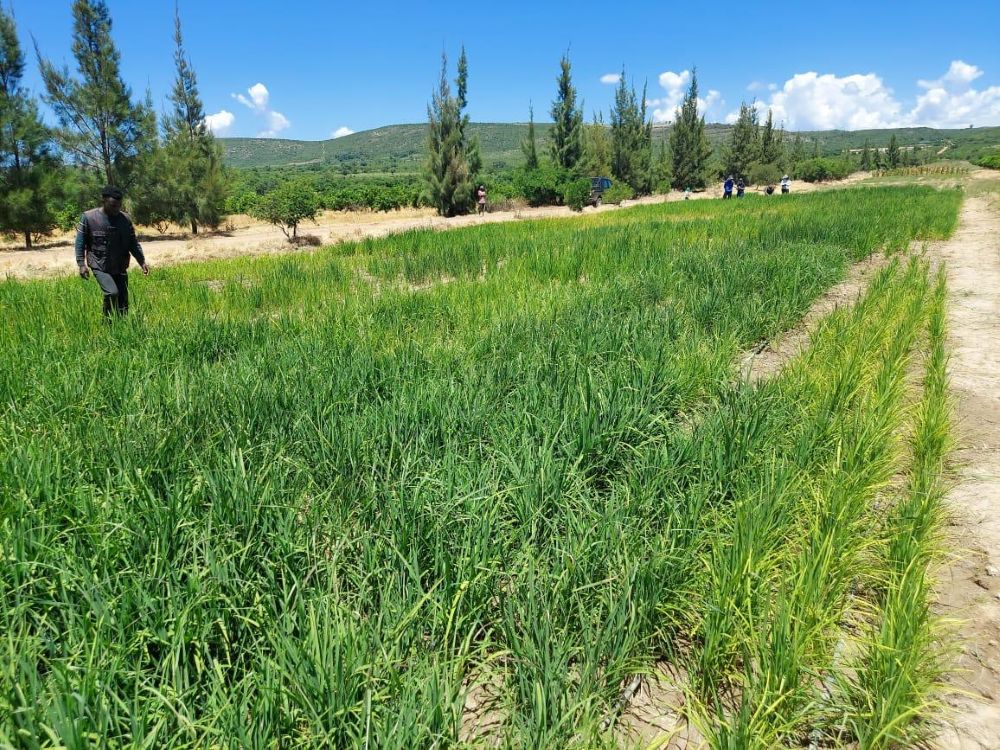
Applied research at Yoba Gardens is organized around field trials conducted in experimental plots distributed across various agroecological regions of Angola—Huíla, Cunene, Huambo, and other provinces—with conditions representative of the country’s main production systems.

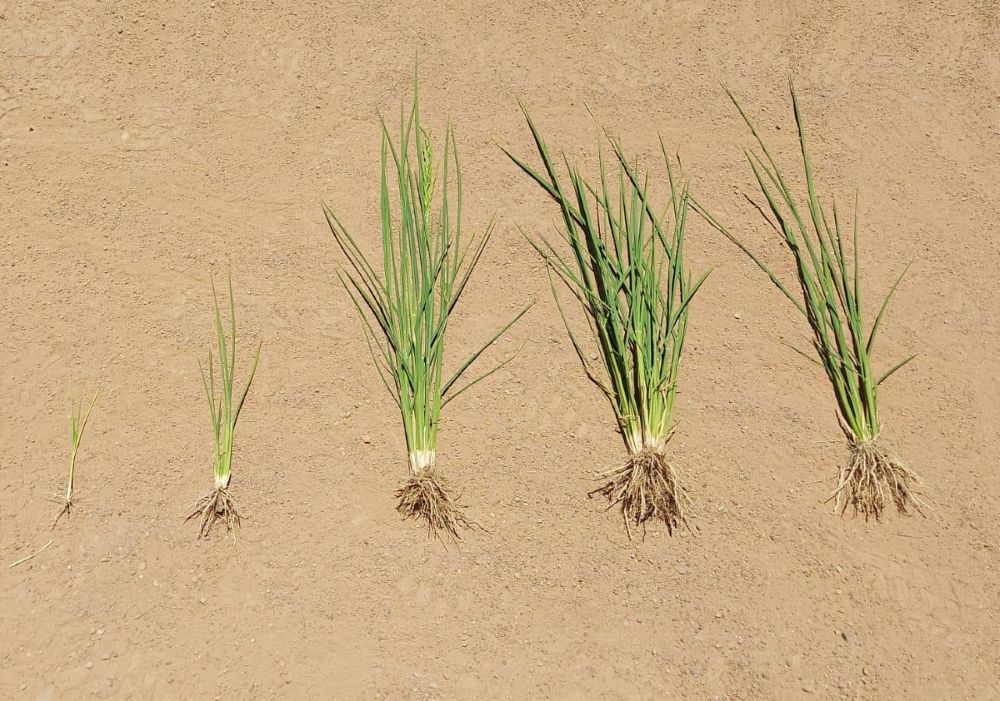
We work with plots distributed in blocks, with replications and a control, recording relevant agronomic variables throughout the cycle: emergence, vegetative vigor, cycle, response to water stress, sanitary behavior, productivity, and grain quality.

What makes this work relevant in the Angolan context is the scarcity of local data and the agroecological diversity of the territory. Many varieties and practices circulating in the country have never been tested under the specific conditions of each region. Our trials seek to fill this gap, generating information adapted to the terrain where production actually takes place.

01

Agronomic question

Each essay starts from a specific question: variety, dose, cycle, management.

02

Replicable protocol

Blocks, repetitions, and control, according to standard applied research procedure.

03

Strict observation

Recording variables throughout the entire crop cycle, in real-world conditions.

04

Validation and sharing

Results documented, discussed with the team, and shared with partners.

CROPS AND VARIETIES

The developing crops.

The breeding and adaptation work focuses on crops that are strategic for Angolan food security. The trials take place in multiple agroecological regions, allowing for the evaluation of performance under different soil conditions, rainfall patterns, and altitudes.

01 / Strategic culture

Upland rice

Priority crop in the program, developed in cooperation with UFLA within the Better Rice Program. It does not require a water layer during its cultivation, making it suitable for family farming. Trials in plots distributed across Huíla, Cunene and Huambo.

SYSTEM

Dryland

PARTNERSHIP

UFLA

02 / Base culture

Corn

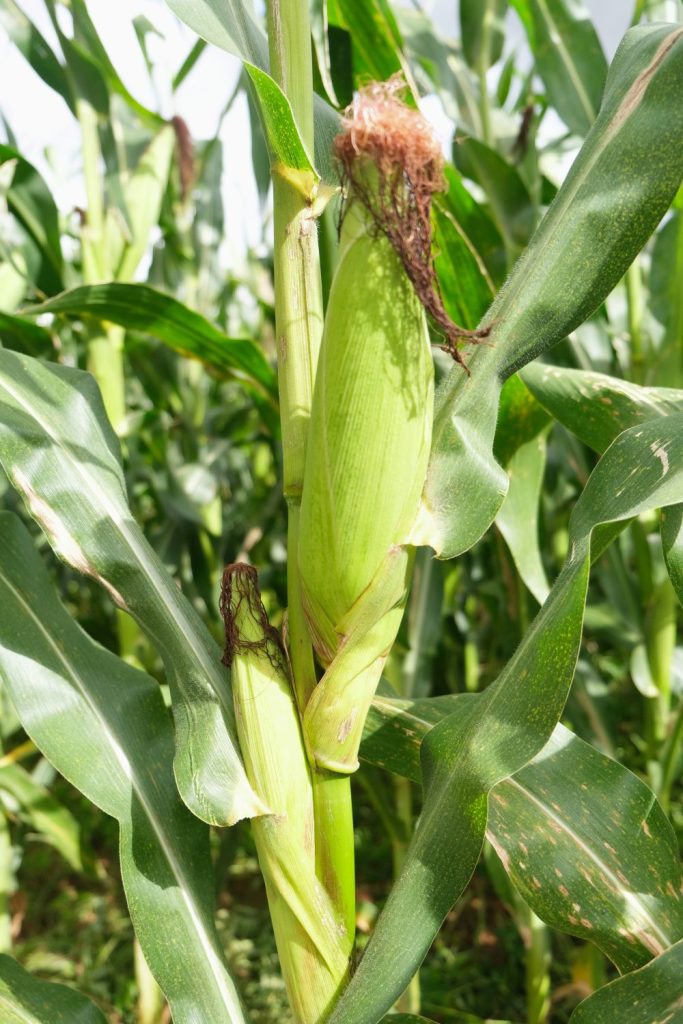
A staple crop in Angolan food production. We evaluated varieties with productive potential and adaptation to the conditions of the plateau and more arid areas, focusing on cycle, response to water stress, and stability between harvests.

FOCUS

Cycle & stress

REGIONS

Multi-zone

03 / Rotation & diet

Beans and legumes

An essential component of diet and crop rotation. We work on adapting cultivars and management practices to improve productivity without compromising soil sustainability.

ROLE

Rotation

FOCUS

Soil & diet

FEATURED PROJECT

+3

YEARS OF TEST PLANTINGS

30+

Years of the UFLA Program

3

PARTNER INSTITUTIONS

3+

YEARS OF REHEARSAL

Better Rice Project Angola: Upland rice for family farming.

A cultivar adaptation program conducted in multiple Angolan agroecological environments, with integrated technology transfer and technical capacity building.

INTERNATIONAL COOPERATION

The partnership with UFLA and the Better Rice Program.

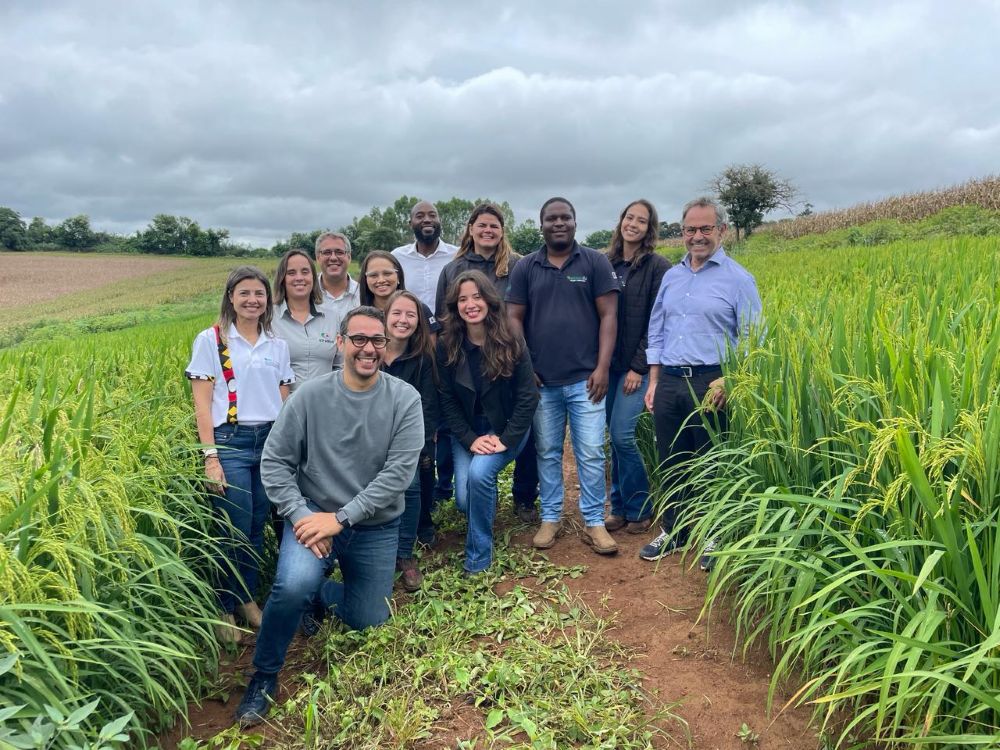
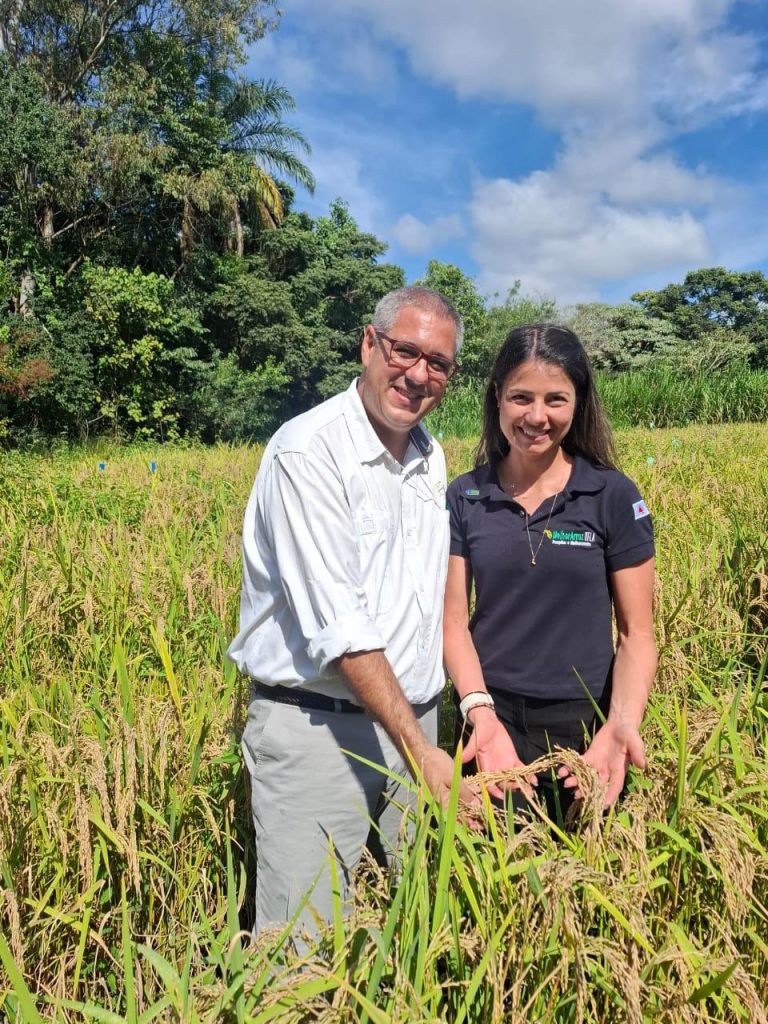
In March 2024, Jardins da Yoba formalized an international cooperation agreement with the Federal University of Lavras (UFLA), in Minas Gerais, aimed at developing upland rice cultivars adapted to the environmental conditions of Angola.

The partnership is part of the Upland Rice Genetic Improvement Program — Programa Melhor-Arroz — conducted for over three decades by UFLA in conjunction with Epamig and Embrapa Rice and Beans. The scientific coordination is led by Professor Flávia Botelho, a specialist in rice genetic improvement.

The joint work began in late 2022 with preliminary studies of climate, rainfall, topography, and soil. After three years of test plantings in Huíla, Cunene, Huambo, and other provinces, the potential of Angolan territory for upland rice production was confirmed.

The cooperation also includes cross-cutting technical training, extended to technicians, university professors and students, in a model that could be expanded to other cultures.
PARTNER INSTITUTIONS

UFLA

Federal University of Lavras

Epamig

Agricultural Research Company of Minas Gerais

Embrapa

Rice and Beans

PROJECTS AND TESTS

Ongoing trials.

Active work fronts distributed across different regions and crops. Each trial generates data that informs concrete agronomic decisions throughout the production chain.

01 / Improvement
Adaptation of upland rice cultivars

Phenotypic evaluation of Brazilian lines in multi-regional plots, within the scope of the agreement with UFLA.

ONGOING
3rd campaign Huíla, Cunene, Huambo
02 / Soil management
Soil acidity correction (liming)

Evaluation of lime application rates in acidic soils of the plateau, with measurement of productive response.

ONGOING
Huíla
03 / Varieties
Evaluation of corn varieties

Comparison of cultivars regarding cycle, productivity and stability between seasons.

ONGOING
Multi-regional
04 / Training
Cross-functional technical training

Training for technicians, agronomists and students in testing and breeding methodology, with UFLA.

ONGOING
Continuous program
05 / Cooperation
Collaboration with Epamig and Embrapa Rice and Beans

Technical and scientific collaboration with partner institutions: exchange of germplasm and evaluation protocols.

ONGOING
Brasil · Angola
06 / Systematization
Agronomic documentation and database

Building a database of the regions where we operate, with a view to publication and integration into scientific networks.

ONGOING
Nacional

Discover More

Agricultural Production

Jardins da Yoba organizes its activity in complementary areas that support the agricultural chain.

Read More

Processing and Preservation

Processing and preservation are critical steps in ensuring quality, food safety, traceability, and added value of the product.

Read More

Business Areas

A Jardins da Yoba organiza a sua actividade em áreas complementares que sustentam a cadeia agrícola

Read More